
 Polycystic Ovary Syndrome (PCOS) is a complicated, multifaceted disorder affecting millions of women all over the world, particularly in the age range of 20 to 40 years. It is still a very common condition but due to lack of understanding, it is usually left misunderstood that women above all feel confused and alienated. This post is going to be the eye-opener about the symptoms, causes, and treatment of PCOS providing practical tips and strategies to deal with it. If you have recently got diagnosed with it or if you have been handling it for a long time, this guide is going to give you not only the information that you need but also the support.
In the past years, lots of research has been done to explore the PCOS and revealed new findings related to its causes and treatment methods. As a result, it is very important to know your condition well and to be proactive about it. In this article, we will point out all the most important facts about PCOS that you should keep in mind so that you can leave with a well-defined plan for taking care of your health.
The first major step in effective treatment of the condition is recognizing the symptoms of PCOS. The symptoms are mainly dictated by individual differences, but there are general indicators that everybody is to be aware of:
Key Reminder 1: Recognizance and comprehension of one’s symptoms is of utmost importance. Detecting early and managing accordingly can be the same critical factor in determining the health in the long run.
The reason behind PCOS is still a mystery, but researchers have pointed biological, hormonal, and environmental factors as a trio of contributors to its emergence. Among them, the factors listed below have been the most frequently seen with the disease:
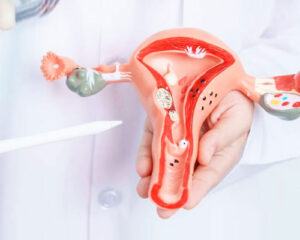 Besides the above-mentioned factors, recent research has started looking into the influence of environmental pollutants and lifestyles as potential triggers or aggravators of PCOS. Although it is still a matter of dispute, it is obvious that PCOS is a complex condition needing a multifaceted treatment approach.
Key Reminder 2: PCOS is a complex condition that comes with a diverse range of symptoms as well as different contributors. Being clear about these factors can be of great help when you want to build together with your doctor a personalized treatment plan.
The management of PCOS is often a tripartite process involving lifestyle changes, medication, and in some cases, the use of complementary therapies. The treatment plan should be designed specifically for you, taking into account your symptoms and needs. Below are some methods of treatment that are widely accepted:
Along with these treatments, there have also been talks of new therapies such as inositol supplements, which have been backed by studies as being effective for insulin sensitivity and hormonal balance. You should always have a talk with your doctor about the potential new treatments to make sure they are safe and suitable for your particular health condition.
Key Reminder 3: The treatment for PCOS is very personal. Partner with your doctor closely to assess your progress and if you need to change your treatment plan, do it.
In addition to medical treatment, there are several lifestyle changes that can help you cope with PCOS symptoms and improve your overall well-being. These practical tips are meant to be a part of your daily life without any interruption.
Practical tips like these can be incorporated into your daily living and they can help lessen the severity of PCOS symptoms. Also, a proactive lifestyle not only aids one’s physical health but also one’s emotional health.
Key Reminder 4: The gradual and constant adjustments to your lifestyle will lead to a substantial effect on the management of PCOS over time. Each and every positive change made has the potential of resulting in the hormone balance being restored and overall wellbeing being improved.
PCOS can be a real hassle, but one thing is for sure, it is no way to live if you are going to let it. By having the right information, suitable therapy, and practical lifestyle changes, one can manage the condition really well and enjoy life. The key to empowerment is knowing your body and making the right decisions towards good health.
Every little thing you do will be accounted for. Healthier diet, physical activities, or just talking to others about your struggles, are all ways in which you are gaining back the power over your health. Do not forget that PCOS is a long-term condition that needs a complex and very thorough management plan, nevertheless, you have all the tools to do so in a very efficient way.
The social connection with your doctor and also your keeping pace with the research through personal education (such as metabolic treatment or hormonal therapy advancements) are some of the ways to help yourself living life fully. You are entitled to a life in which PCOS does not limit you but rather inspires you to fight for your success.
This is the moment to move forward—talk to your doctor about guidance that is personalized for you, and don’t be shy to interact with support groups and communities. Your path is special, and when you share your story, you help to set up a community of strong women that empower and encourage each other.