Hypertension: Most Commonly Asked Questions for Adult Patients
 This document is intended for patients who have been diagnosed with or are concerned about hypertension. The FAQs listed below provide straightforward and easy-to-understand information about hypertension, its causes, symptoms, treatment options, and lifestyle changes. It is important to understand that this material is for educational purposes only and should not be considered as medical advice. If you have any questions or need personalized treatment, please make an appointment with your doctor for a follow-up.
Frequently Asked Questions
1. What is hypertension?
- Hypertension is the medical term for high blood pressure which is a condition in which the blood’s pressure on the walls of the arteries is constantly too high.
- It can result in severe health issues if left unmanaged.
2. What causes hypertension?
- In most cases, it is due to the unhealthy lifestyle, which includes taking too much sodium in the diet, lack of exercise, being overweight, and drinking too much alcohol.
- Also, heredity and family history are factors that can influence.
- Furthermore, aging, stress, and having certain medical conditions like kidney disease can lead to hypertension.
3. How do I know if I have hypertension?
- Hypertension is frequently labeled a “silent killer” since the illness does not show any signs until serious health impairment occurs.
- There will be no warning and nothing to say it’s the right time for blood pressure monitoring but it is the only way to catch hypertension in good time.
- There is usually a diagnosis after several visits and getting the blood pressure measured, the values calculated and averaged over time.
4. What are common symptoms of hypertension?
- No signs at all for most people during the initial period of the disease.
- Some patients might be aware of having headaches or breathlessness or even nosebleeds, but these do not indicate high blood pressure and are rather severe cases.
- Monitoring through your healthcare provider is the most efficient way of detecting hypertension.
5. How can hypertension be treated?
- Therapy usually comprises lifestyle modification and if needed, medications.
- Medications can include diuretics, ACE inhibitors, ARBs, calcium channel blockers, and beta blockers.
- Your physician will create a customized treatment program based on your individual requirements through collaborating with you.
6. What lifestyle changes can help manage blood pressure?
7. What are the consequences of not treating high blood pressure?
- Heart problems, stroke, kidney failure, and loss of eyesight are some of the severe consequences if high blood pressure remains untreated.
- Blood pressure that is not controlled can lead to the formation of aneurysms and other blood vessel-related problems.
- The adoption of proper hypertension management practices will definitely go a long way in preventing the occurrence of these long-term health risks.
8. How frequently should I monitor my blood pressure?
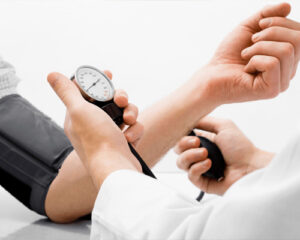
- Blood pressure control greatly relies on regular monitoring.
- Your doctor may suggest daily or weekly blood pressure checks at home based on your current readings and overall health.
- Moreover, intermittent checks during doctor visits can also be very effective in monitoring your progress.
9. Is it possible for food to change blood pressure?
- Absolutely! Your diet plays a major role in determining your blood pressure levels.
- Managing hypertension becomes easier with a diet full of fruits, vegetables, whole grains, and lean protein along with a reduction in sodium, processed foods, and saturated fat intakes.
- It is also very effective to stick to dietary prescriptions like the DASH (Dietary Approaches to Stop Hypertension) diet.
10. What is the relationship between stress and high blood pressure?
- Your blood pressure can be temporarily elevated due to stress and prolonged exposure to stress may even be a cause for the development of high blood pressure.
- Stress management through proper techniques like relaxation, engaging in hobbies, and regular exercise is vital not only to your health but also to your overall well-being.
- One of the stress management methods might involve counseling or support groups in some cases.
11. What are the most common medications for hypertension?
- Diuretics make your body get rid of extra sodium and water.
- ACE inhibitors and ARBs help to relax the blood vessels, thus making it harder for the heart to pump.
- Calcium channel blockers stop calcium from entering the heart and blood vessels, thus causing a reduction in contraction strength.
- Beta blockers lower the heart rate and the force of the heart’s contractions.
12. What steps can I follow to daily monitor and treat my hypertension?
- Write down every day your blood pressure readings, the food you eat and the exercise you do.
- Follow the medication schedule strictly as your healthcare provider prescribed.
- Control your salt intake and try to keep away from high-sodium foods or ask for low-sodium alternatives.
- Get a home blood pressure monitor to keep an eye on the changes and write down any patterns that you could share with your doctor.
13. Is high blood pressure an inheritance trait?
- The risk of getting hypertension depends on your family history, which means it can be inherited.
- On the other hand, having a family history does not mean that you will definitely get high blood pressure and lifestyle choices are the major factor of the risk being either high or low.
- Regular health monitoring and a good lifestyle can reduce the impact of genetic factors.
14. What should I expect at my doctor’s follow-up visit concerning hypertension?
- Your physician will go over your blood pressure records, inquire about any ailments, and check your general condition.
- Your medication might be changed or lifestyle suggestions given depending on how far you have come.
- The meeting is also a perfect chance to raise your queries and settle your doubts concerning your treatment plan.
15. Will there be any other sources available for me to gain a better comprehension of and to cope with the condition of hypertension?
- Numerous trusted health agencies are offering teaching and online materials dedicated to hypertension.
- A group or program providing community support can also share and motivate you through the experiences of others who are karate facing the same difficulties.
- Blood pressure monitoring sessions and educational workshops might be conducted by your nearby pharmacy or health center.
Important Disclaimer
 This handout is meant solely for educational and informational purposes. It does not take the place of professional medical advice, diagnosis, or treatment. Always get the opinion of your doctor or another qualified healthcare professional if you have any questions about your health or a medical condition. Do not ignore or postpone professional medical advice because of something you have read here.
Next Steps
If you are still worried or confused about hypertension management, we would like to suggest a follow-up appointment with your doctor. Your doctor can provide you with personal advice and assist in modifying your treatment plan if necessary. This handout is meant to be available in the waiting room and also as a printable guide that allows you to gain more knowledge about hypertension and its treatment.
Conclusion
Hypertension supervision means the permanent monitoring of your health. You can really help yourself over the long term by staying educated, choosing a healthier lifestyle, and being always present in your doctor’s office. Remember, the success of high blood pressure treatment is a joint affair of you and your medical team. Equip yourself with information, stay strong in your commitment to the treatment plan, and do not hesitate to ask for assistance when the need arises.
We also deliver products in entire USA.
Buy out products from our website