
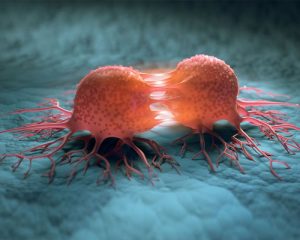
 Cancer is a term used to describe a group of diseases characterized by the uncontrolled division of abnormal cells, which can invade nearby tissues or spread to other parts of the body. Over the decades, advances in medical research have enhanced our understanding of cancer, leading to improvements in early detection, prevention strategies, and treatment options. This article presents an overview of cancer for the general public, with a focus on defining cancer, exploring its types, elaborating on preventive measures, discussing current treatment options, and reviewing the five most common cancers globally. Empowered with this knowledge, individuals can take practical steps toward prevention and seek professional medical advice for early detection, which is vital for improving survival outcomes.
Cancer is not a single disease but a collection of related diseases that share certain characteristics. Typically, a cancer begins with genetic mutations within a cell, allowing it to proliferate uncontrollably. As mutated cells accumulate, they can form tumors. Not all cancers form solid tumors, however; for instance, leukemias involve abnormal cell division in the blood and bone marrow.
Broadly, cancers are classified based on the tissue or cell type from which they originate. Some common classifications include:
Each type of cancer exhibits its own behavior, rate of growth, and response to treatment, underscoring the importance of personalized approaches to treatment and prevention.
 While not all cancers are preventable, research indicates that many risk factors can be modified to reduce the likelihood of developing cancer. Prevention strategies focus on lifestyle changes, routine screenings, and environmental awareness.
Lifestyle Choices: Maintaining a healthy weight, eating a balanced diet rich in fruits and vegetables, and limiting the intake of processed foods can help reduce cancer risk. Regular physical activity is also key to maintaining overall health.
Tobacco and Alcohol: Tobacco use is the leading cause of many cancers, including lung and throat cancers. Quitting smoking is one of the most effective prevention strategies. Similarly, limiting alcohol consumption can lower the risk of cancers such as liver, colon, and breast cancers.
Sun Exposure and Environmental Factors: Excessive sun exposure increases the risk of skin cancer. Using sunscreen, wearing protective clothing, and avoiding tanning beds are important preventive measures. Additionally, reducing exposure to harmful chemicals, pollutants, and radiation can help limit cancer risk.
Vaccinations: Some cancers are caused by viruses. For example, the human papillomavirus (HPV) is associated with cervical and other cancers. Vaccinations against HPV and hepatitis B, a virus linked to liver cancer, have shown promise in reducing cancer incidence.
Regular Screening: Early detection through regular screening can significantly improve treatment outcomes. Screenings such as mammograms for breast cancer, pap smears for cervical cancer, and colonoscopies for colorectal cancer allow for early intervention, which is often crucial for successful treatment. Overall, combining lifestyle modifications with preventive healthcare practices forms the cornerstone of cancer prevention strategies.
Treatment for cancer is complex and depends on various factors such as cancer type, stage of the disease, and the patient’s overall health. Over the years, advancements in medical technology have led to a plethora of treatment approaches that can be used individually or in combination.
One of the oldest methods for cancer treatment, surgery involves the physical removal of tumors from the body. It is most effective when the cancer is localized and has not spread.
Radiation Therapy: This method uses high doses of radiation to target and kill cancer cells. It can be used as a standalone treatment or in conjunction with surgery and chemotherapy.
Chemotherapy: Chemotherapy involves the use of powerful drugs that target rapidly dividing cells. Although effective, chemotherapy can also affect healthy cells, leading to side effects. Modern protocols are designed to minimize these impacts.
Immunotherapy and Targeted Therapy: Recent developments in cancer treatment have led to the emergence of therapies that stimulate the body’s immune system to fight cancer or target specific genetic markers found in cancer cells. These treatments offer a more personalized approach, often with improved outcomes and fewer side effects compared to traditional treatments.
Palliative Care: For advanced-stage cancers, palliative care focuses on relieving symptoms and improving quality of life. This patient-centered approach ensures that both physical and emotional needs are addressed.
The evolving landscape of cancer treatment underscores the need for continuous research and adaptation of treatment protocols. Patients are encouraged to discuss all available treatment options with their healthcare provider to determine the best course of action for their individual situation.
Cancer is a global health concern, and understanding the types that affect the largest number of people can help in the implementation of targeted prevention and early detection strategies. The following represent the five most common cancer types worldwide:
Recognizing the prevalence of these common cancers emphasizes the importance of targeted screening programs and public health initiatives to educate individuals on their risk factors. With continued awareness and commitment to early detection, the survival rates for these cancers can see significant improvements.
In conclusion, understanding cancer—from its definition and types, through preventive strategies and available treatment options—is essential for empowerment and proactive healthcare management. The global impact of cancers such as lung, breast, colorectal, prostate, and stomach illustrates the significance of public awareness and investment in early detection measures. It is critical to remember that early diagnosis through professional screening can dramatically increase survival rates and treatment success.
Practical prevention strategies, including lifestyle modifications, adherence to vaccination schedules, limited exposure to carcinogens, and regular medical screenings, can reduce the overall risk of cancer. The journey from prevention to treatment is complex and often challenging, yet medical advancements continue to provide hope and improved quality of life for those affected.
We encourage all readers to take these strategies to heart and to consult their healthcare providers for regular screening and personalized advice. Early detection can make a profound difference – if you have any concerns or belong to a high-risk category, please seek professional screening and medical guidance as soon as possible.